How to Recover Safely After Prostate Disorder Treatment
Safe Recovery After Prostate Disorder Treatment
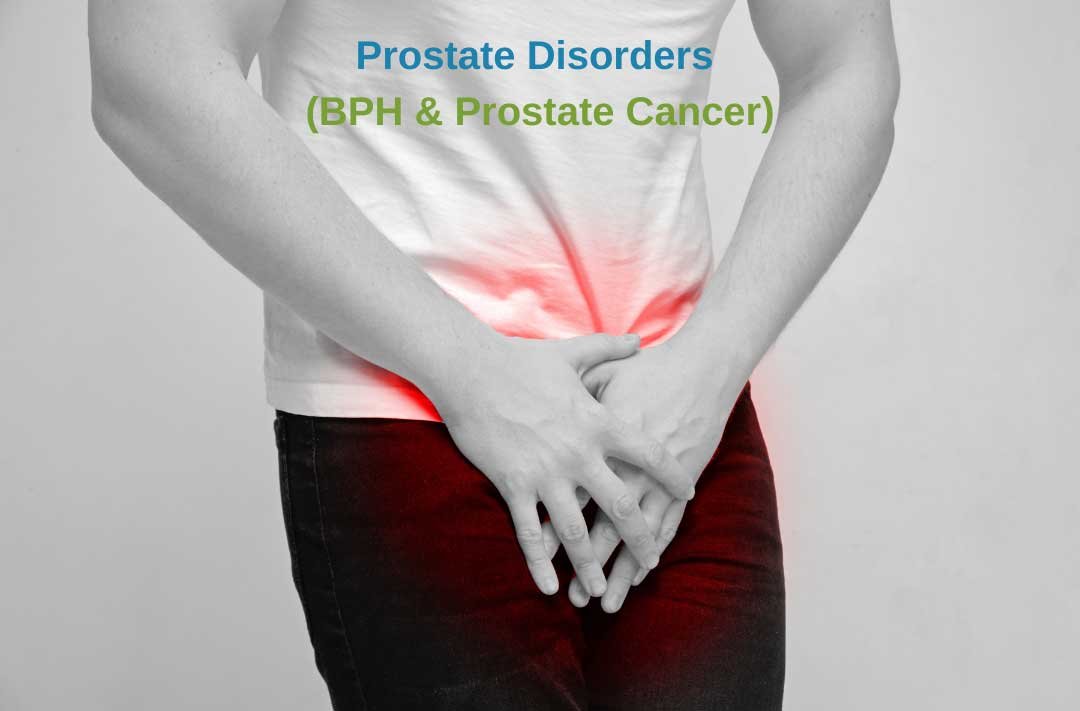
Urination, sleep, comfort, sexual health and quality of life can all be affected by prostate problems. Treatment options vary by condition but may include medicines, minimally invasive procedures, laser treatment, surgery or other methods.
But treatment is just part of the journey. Equally important is good recovery. Following the urologist’s recommendations, taking your medications as prescribed, practicing good hygiene, being active at the right time, and keeping up with your follow-up appointments can help promote a smoother recovery.
Dr. Ritesh Mongha is an expert in Urology, Uro-oncology and Renal Transplantation. People who want to get professional advice on prostate issues can meet a qualified urologist and talk about their symptoms and treatment options.
This manual will assist you to understand practical steps that can help you recover safely after prostate disorder treatment.
After the Treatment of Prostate Disorder
Recovery depends on the type of prostate problem and treatment you receive. Prostate problems such as benign enlargement of the prostate, prostatitis and prostate cancer may require different treatments.
Some patients may have temporary urinary symptoms after a procedure. These may include increased frequency, urgency, mild discomfort on urination or changes in the urine stream.
Your age, general health, the treatment used and whether there are complications will also affect how long it takes you to recover.
Don’t compare your healing to someone else’s. Follow the instructions of your doctor who is treating you.
Consult with Best Urologist in Faridabad
One of the most important factors in a safe recovery is choosing the right medical advice. If you are looking for the best urologist in Faridabad, then you should check the doctor’s qualification, experience, treatment approach, hospital facilities, and follow-up care.
Dr. Ritesh Mongha is a Specialist Urologist and treats a wide range of urinary and prostate related conditions. A personalized recovery plan can help patients know what to avoid, what symptoms to expect and when to seek medical attention.
Follow your doctor’s directions exactly
Instructions after Treatment Your doctor may give you instructions about:
Medicines and when to take them
Liquid intake
Exercise The exercise
Care of wounds or catheters
Sexual activity;
Food
Follow-up appointments
Warning signs that need to be seen by a doctor
Read these instructions carefully. If you are unsure about anything don’t make assumptions, ask your health care team.
How to Support Recovery of Prostate Disorder Treatment in Faridabad?
Your recovery plan after Prostate Disorder Treatment in Faridabad will be based on the type of procedure you had.
- Take Medication As Directed
Some patients may be given pain medicines, antibiotics, urinary medicines or other treatments after a procedure.
Take medicines as prescribed by your doctor. Don’t stop taking a prescribed medicine because you feel better.
Do not begin any new medicines or supplements without talking to your doctor. Some products can interact with prescription medicines or impact recovery.
- Drink fluids, as advised
Drinking lots of fluids can be helpful after some prostate surgery. But the right amount of fluid depends on the individual patient.
Your doctor may give you specific directions, particularly if you have another medical condition that affects your fluid intake.
Unless your healthcare professional tells you to, don’t make yourself drink a lot of water.
- Allow Your Body to Heal
It’s normal to feel anxious about returning to your normal routine. But if you do too much, too soon, it can slow down recovery.
Rest when you are tired. Follow your doctor’s instructions about when to return to work, driving, exercise and other activities.
Light movement may be encouraged during recovery but strenuous exercise and heavy lifting may need to be avoided for some time.
- Maintain Cleanliness of the Treatment Area
If your treatment included an incision, catheter, or other medical device, follow the care instructions given to you by your healthcare team.
Do not change dressings or manipulate a catheter in any manner other than as instructed.
Good hygiene practices may help reduce the risk of infection.
Dealing with Changes in Urination After Treatment
Certain treatments for the prostate can cause temporary changes in urination. You may notice more frequency, urgency, mild burning or change in your urinary pattern.
These symptoms may get better as the body heals. However, do not ignore severe or worsening symptoms.
If you have difficulty passing urine, or it is very painful, or you are bleeding heavily, or you have a fever, or other concerning symptoms, contact your doctor.
Your doctor may want to do some follow-up testing to check urinary function and make sure that recovery is progressing.
Diet and Lifestyle While in Recovery
A healthy lifestyle can assist in overall recovery.
Select Healthy Foods
Eat balanced meals that include vegetables, fruits, and whole grains, as well as protein foods and other foods that provide nutrients.
Follow any dietary restrictions advised by your doctor.
Eat balanced, not too much processed food.
No Smoking
Smoking can be bad for general health and healing. If you smoke, talk to your health care professional about support to quit.
Limit alcohol as advised
Alcohol can affect some medicines and may not be appropriate for some stages of recovery. Ask your doctor when it is okay to drink alcohol.
Post Prostate Treatment Exercise
Movement is an important part of overall health but how much you need to move varies depending on your treatment.
Getting active again often starts with taking walks, which is practical. Begin slowly and increase your activity as your doctor recommends.
In your recovery period, stay away from strenuous exercise, heavy lifting, cycling or any other activities restricted by your doctor.
If an activity causes pain, bleeding, dizziness or significant discomfort, stop and contact your healthcare team if symptoms persist or are concerning.
Sexual Health Following Prostate Treatment
Patients may have questions about sex post prostate treatment. The impact on sexual function depends on the type of prostate problem, the treatment used, age and general health.
Sexual function or ejaculation may change temporarily in some patients. Others may have more long-term effects, depending on the therapy.
Don’t be shy about talking about these concerns. A urologist can help you know what to expect and when it is safe to start sexual activity again.
Why Follow-Up Care is Important Top Urologist in Faridabad
When patients need treatment for prostate, they usually look for the Best Uro surgeon in Faridabad. But expertise must be weighed against the quality of follow-up care.
Recovery doesn’t end when you leave the hospital. Your doctor can follow up with you at later visits to check your symptoms, review your test results, evaluate your urinary function, and answer your questions.
Depending on your condition and treatment, your doctor may recommend urine tests, blood tests, imaging, prostate-specific tests or other tests.
If you are feeling well, keep all appointments.
Look out for warning signs
Most patients recover without any serious problems. However, some symptoms require immediate medical attention.
Call your health care provider if you have:
High or extended fever
Intense or increasing pain
Inability to pass urine
Heavy or prolonged bleeding
Massive blood clots in urine
Weakness or severe dizziness
Redness or swelling spreading in or around a surgical site
Drainage with foul smell
Symptoms that suddenly get much worse
If you have severe symptoms or you think you have an emergency, seek medical attention immediately.
Urologist Near Me in Faridabad: When to Get Help?
If you are in Faridabad and looking for Urologist near me, then this can be helpful if you want to get easy access to specialist care. But convenience should never replace the proper medical expertise.
If urinary symptoms persist after treatment, get worse, or interfere with your daily life, you should consider seeing a urologist.
If you are unsure if a symptom is part of normal recovery you should also seek medical advice.
Early assessment can help identify problems and also provide reassurance when symptoms are part of the expected healing process.
Tips for Recovery from Prostate Treatment
Some simple habits can make recovery easier:
A Record of Recovery
Write down important information, like your medicines, symptoms, temperature if advised, urine changes and questions for your next appointment.
DO NOT SKIP YOUR MEDICATION
Use reminders or a pill organizer if needed. Take medicines as per the prescribed schedule.
Don’t Treat Yourself
Don’t start antibiotics, pain medicines, herbal products or supplements without talking to your doctor.
Ask Questions
You should not feel embarrassed talking to your urologist about urinary, sexual or prostate symptoms.
Family Assistance
Having help with transportation, household chores or appointments can make the first few weeks of recovery less stressful.
Frequently Asked Questions:
- How long is recovery time after prostate treatment?
Recovery depends on the condition and the treatment. Some patients get better fairly quickly, others take several weeks. Your urologist can give you a better estimate depending on your procedure.
- Is it normal to urinate frequently after prostate treatment?
Some treatments may cause temporary changes in urination. However, if your symptoms are persistent, severe or worsening, speak to your doctor.
- Can I exercise after prostate cancer treatment?
You may be able to do light activities while you are recovering, but you may have to avoid strenuous exercise and heavy lifting for a while. Be sure to follow the instructions your doctor gives you.
- When can I get back to work?
Your job, treatment, recovery and general health will determine the timing. If their work involves physical exertion, they may need more time to recover than if they work at a desk.
- Can I drive following prostate treatment?
Do not drive until your doctor tells you it is safe and you are no longer affected by pain, dizziness or medicines that can affect your alertness.
- Will prostate treatment affect sexual function?
Some treatments can impact sexual function or ejaculation. The risk depends on the procedure and on the individual health factors. Talk over these problems with your urologist before and after you are treated.
- Do I need to drink more water after prostate treatment?
Hydration recommendations differ. Don’t assume that drinking large amounts of water is always better; follow the fluid instructions provided by your doctor.
- Is it normal to have blood in urine after prostate treatment?
Some procedures may cause urine to be bloody for a short time. Report immediately if you experience heavy bleeding, large clots, worsening bleeding or inability to urinate.
- When should I call my urologist after treatment?
If you have severe pain, fever, difficulty urinating, heavy bleeding, worsening symptoms or any problem that concerns you, call your urologist.
- How to Find a Good Prostate Specialist?
Look for relevant qualifications, experience in treating your particular prostate condition, up-to-date treatment facilities, straightforward communication, and reliable follow-up care. A consultation can help you determine if a specialist is right for you.
Conclusion
Recovering safely after prostate disorder treatment needs patience, proper medical guidance and paying attention to your body’s signals. To aid in recovery, it is crucial to take medicines correctly, adhere to activity restrictions, maintain good hygiene, consume a well-rounded diet, ensure proper hydration, and attend follow-up appointments.
If you are considering Prostate Disorder Treatment in Faridabad or recovering from a prostate procedure, working with an experienced urology specialist can help provide valuable guidance throughout the treatment journey.
Dr. Ritesh Mongha can help patients understand their prostate condition, treatment options, recovery expectations and follow-up requirements. Are you looking for the best urologist in Faridabad, Best Uro surgeon in Farid Faridabad or Urologist near me in Faridabad? . So choose wisely based on expertise, personalized care and comprehensive follow up.
Don’t ignore persistent urinary or prostate symptoms. Schedule a consultation with Dr. Ritesh Mongha to discuss the most appropriate treatment and recovery plan for your needs and take the next step toward better urological health.