Kidney Transplant Care: What You Need to Know Before and After Surgery
Kidney Transplant Care: Essential Tips Before and After Surgery
A kidney transplant can be a major step toward a healthier and more active life for people with advanced kidney disease. But the surgery isn’t the only factor that makes a transplant a success. It’s important that you take care of yourself before and after the procedure to protect your new kidney and promote long-term health.
Good preparation helps patients understand the procedure, manage their existing health conditions and follow their medical team’s instructions. Post-operation, it is crucial to maintain routine medications, adhere to follow-up appointments, practice healthy habits, and prevent infections.
Dr. Ritesh Mongha is a specialist in Urology, Uro-oncology and Renal Transplantation. He specializes in the comprehensive management of patients undergoing procedures related to the kidneys. Patients can learn about each part of the transplant process and make decisions about their care by choosing an experienced medical team.
This guide will provide you with some simple kidney transplant care tips before and after the surgery.
Why Good Care of Kidney Transplants Is Important
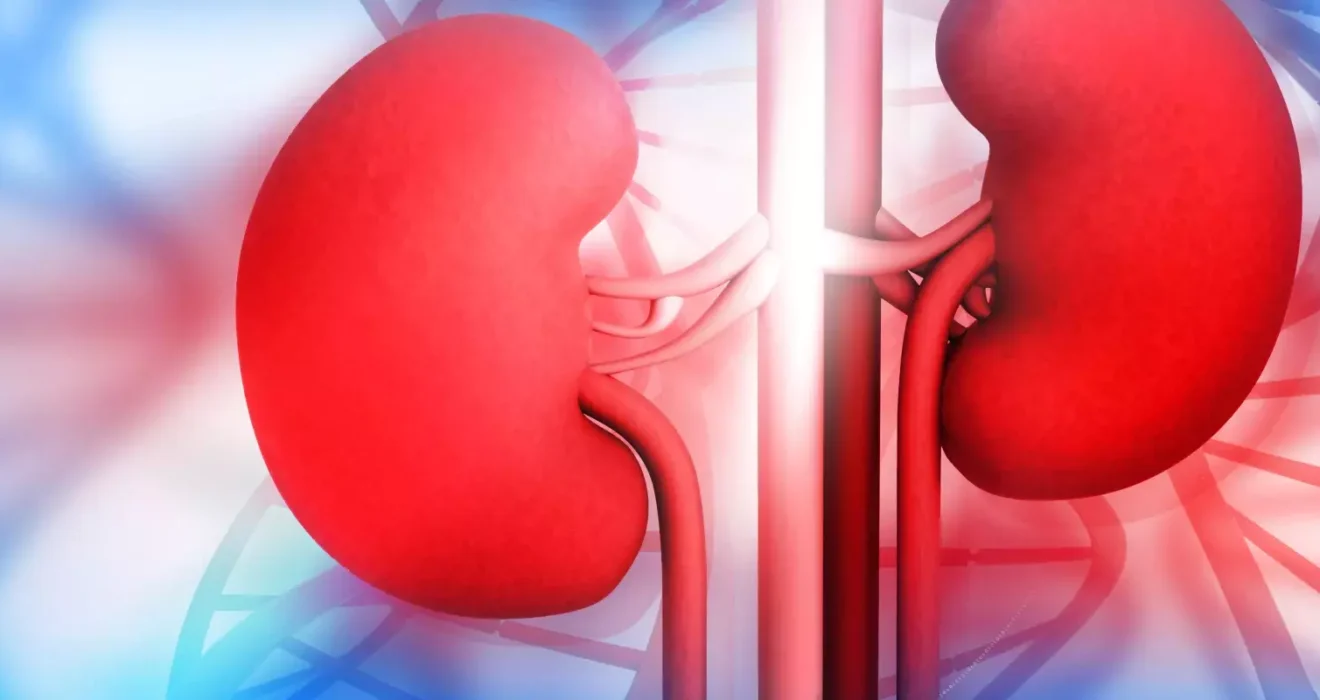
In a kidney transplant, a healthy kidney is taken from a compatible donor and placed into a failing one. The transplanted kidney may help restore kidney function and may improve quality of life .
But the body may see the transplanted kidney as foreign tissue. This could be rejected. To reduce this risk, patients must take anti-rejection medicines, also known as immunosuppressants.
Patients should use these medicines as directed. They also have to attend regular blood tests and doctor’s appointments. These tests help doctors monitor kidney function, drug levels, blood pressure and other important health metrics.
Care does not cease at the end of the operation. Kidney transplantation requires a long-term commitment from the patient, family, transplant team and other health care professionals.
Best Urologist in Faridabad: Preparing for Surgery
Finding the right specialist is an important part of preparing for kidney transplant. Look for a doctor with appropriate experience in kidney and transplant care.
When looking for the best urologist in Faridabad, consider the doctor’s qualifications, experience, hospital infrastructure, transplant proficiency, and approach to patient care.
Dr. Ritesh Mongha is a urologist who has experience in treating patients for renal transplants. Patients can talk with their transplant team about their medical history, current medications, previous treatments and concerns before surgery.
Key Things to Do Before a Kidney Transplant
- Fill out the recommended medical assessment
As part of a transplant evaluation, you may have blood tests, imaging, a heart workup, and other tests. The tests will help to see whether a transplant is appropriate and to spot any health issues that may need to be treated before the operation.
2.Review all medicines
Tell your doctor about all the medicines, supplements and over-the-counter products you are taking. Certain medicines might need to be changed before surgery.
- Follow the diet advice
Depending on your kidney function and overall health, your dietary needs may change. Follow the diet prescribed by your nephrologist or transplant team.
- Don’t smoke or use tobacco
Smoking is harmful to the heart and can hamper recovery. If you smoke, talk to your health care team about quitting in a way that is right for you.
- Practice good infection prevention
An infection before surgery may need to be treated or delay the transplant. Follow your health care team’s advice about hygiene, vaccination and infection prevention.
- Get ready emotionally and practically
Transplantation can be a stressful experience. Talk to your health care team and family about your concerns. Transportation, home support, medicines, follow-up visits, taking time from work.
Selecting a Kidney Transplant Specialist in Faridabad
The transplant team plays an important role before, during and after surgery. Patients while choosing a Kidney transplant specialist in Faridabad should look beyond the operation.
Ask about the doctor’s experience, the hospital’s transplant facilities, the follow-up care, and what happens if complications occur.
Dr Ritesh Mongha is known for his work in renal transplant and urology. He talks about the patient’s specific situation and whether kidney transplantation may be an option for them. If you are a patient interested in transplantation, you can meet with him.
No two patients are identical. The final decision regarding treatment should be made after a complete medical evaluation.
Post Kidney Transplant Surgery Care
The first few weeks after the transplant are very closely monitored. Patients are normally kept in hospital and their progress is monitored by doctors, who check the function of the transplanted kidney and look for any complications.
Take Anti-Rejection Medicines as Prescribed
One of the most important rules after transplantation is to never stop or change anti-rejection medicine without medical advice.
If doses are missed, the risk of rejection may be increased. If you miss a dose of your medicine don’t change the dose without talking to your transplant team.
Continue a regular medicine schedule. A pill organizer or phone reminder might help.
Go to All Follow-Up Appointments
Regular follow up visits help doctor to monitor kidney function and adjust medicines if required.
Blood tests may be done regularly, especially in the early recovery phase. The frequency of testing is based on your individual condition and the recommendations of your transplant team.
Check Your Blood Pressure and Weight
High blood pressure can damage your kidneys. Your doctor may advise you to monitor it regularly at home.
Rapid changes in weight can sometimes be a sign of fluid retention. Notify your healthcare team of any unusual changes.
How to Prevent Infection After Kidney Transplant
Drugs to prevent rejection suppress the activity of the immune system. This helps protect the transplanted kidney but can also make you more susceptible to certain infections.
Hence it is important to have good hygiene.
Wash your hands often, especially before you eat and after you use the bathroom. When your health care team tells you to avoid people who are sick with something contagious.
Follow your doctor’s advice about vaccinations and food safety.
Do not self-administer antibiotics or other medications. Always discuss new medicines with your transplant team as some drugs can interact with transplant medicines.
Healthy Life After Kidney Transplantation
Living a healthy lifestyle can promote overall health and help protect your transplanted kidney.
Eat a well-balanced diet
Eat the healthy foods that your doctor recommends. Depending on your condition, your healthcare team may give you advice regarding salt, fluids, protein, potassium, phosphorus and other dietary factors.
Don’t do anything drastic to your diet without the help of a professional.
Stay Moving
Exercise is good for your heart, muscles and overall health. After surgery, begin slowly and increase activity as directed by your medical team.
Do not do any strenuous exercise until your doctor says it is okay.
Keep Your Weight Healthy
You can reduce your risk of conditions such as high blood pressure and diabetes which may have an impact on long-term kidney health by managing your weight.
No tobacco and alcohol in moderation.
Avoid tobacco products and smoking. If you drink alcohol, ask your transplant team if it’s safe and what limits are right for you.
When to call your doctor
After a transplant, patients have to watch their health for changes. If you have symptoms such as fever, significant swelling, difficulty breathing, persistent vomiting, reduced urine output, or other unusual symptoms, contact your transplant team right away.
If you are concerned about a potential complication, do not wait for your routine appointment.
Infection, rejection, side effects of medications or other problems may require immediate medical attention.
Best Kidney Transplant Surgeon in Faridabad – What Patients Need To Look For
When patients begin their transplant journey, they often look online for the Best Kidney transplant surgeon in Faridabad. Don’t just go by the rankings or what you read online but consider a few factors.
Check the surgeon’s relevant qualifications and experience. Think about the transplant infrastructure of the hospital and the availability of supporting specialists. And also think about how well the doctor explains treatment options, risks, recovery and follow-up care.
Dr. Ritesh Mongha is a specialist in urology with a focus that includes renal transplantation. Patients can come and see him to talk about their own medical needs and to learn about the treatment pathway that is available.
Transplant is a complex medical procedure. The right specialist should give care based on the patient’s medical condition and not a one size fits all approach.
Find Kidney Transplant Specialist Near Me in Faridabad
Regular appointments are an essential part of transplant care and patients often look for a Kidney transplant specialist near me in Faridabad.
Convenience can be a benefit but it shouldn’t be the sole reason for choosing. Seek out an appropriate transplant experience, hospital support, diagnostic services and reliable post-transplant follow-up.
Patients should also know where to go if symptoms develop outside normal appointment hours.
Good communication between the patient and transplant team can help make recovery easier and safer.
Frequently Asked Questions:
- What is the recovery time after kidney transplant?
Recovery is different for everyone. Some patients return to normal activities in a few weeks, while others take longer. Obey all the surgeon’s orders in your recovery.
- Will kidney transplant patients have to take medicines for life?
Anti-rejection medicines are usually needed long term after transplant. The exact medicines and doses may vary over time, depending on medical monitoring.
- Is it possible to refuse a kidney transplant?
Yes. Even if the transplant works well at first, rejection can occur. Regular follow-ups and taking medicines as prescribed can reduce the risks and doctors can identify problems at an early stage.
- Am I allowed to exercise after a kidney transplant?
Usually, once your doctor deems it safe, physical activity is promoted. Start slow and don’t do anything strenuous until your doctor says it’s okay.
- What should I eat after a kidney transplant?
People have different needs for food. A transplant dietitian or doctor can suggest a good diet plan, tailored to kidney function, medicines, blood tests and other health conditions.
- Can I travel after kidney transplantation?
Most patients are able to travel once recovered but timing will depend on individual situation. Be sure to discuss travel plans with your transplant team before you book.
- What do I do if I forget to take my anti-rejection medicine?
Do not double dose unless directed by your health care provider. Talk to your transplant team and follow their specific advice.
- How often will I need to see you for follow-up?
Appointments are usually more frequent soon after transplantation, and may become less frequent as your condition stabilizes. Your transplant team will create a personalized follow-up schedule.
- Can kidney transplant recipients live a normal life?
After recovery, many transplant recipients are able to resume work, family activities, exercise and other day-to-day routines. Long-term medication use and regular medical monitoring are still important.
- How to choose a kidney transplant specialist?
Evaluate credentials, transplant experience, hospital resources, multidisciplinary support, follow-up care, and communication. A consultation can help you see if the specialist is a good match for your individual needs.
Summary
Kidney transplantation is a valuable option for patients with kidney failure, but requires commitment for successful long-term care. Preparing for surgery helps patients to start treatment in the best possible shape. Proper use of medicines after surgery, attending follow-up appointments, avoiding infections, staying healthy and promptly reporting unusual symptoms are important.
Another important decision is choosing an experienced transplant team. If you are in Faridabad and need a Kidney transplant specialist, talking to an experienced professional like Dr. Ritesh Mongha about your condition and the next steps in your treatment can help you get a better understanding.
If you or a family member are thinking about kidney transplantation, don’t hesitate in seeking expert medical advice. Book an appointment with Dr Ritesh Mongha Urologist to discuss your individual condition, suitability for transplant, preparation, surgery and long term kidney care. Your transplant starts here with the right information and the right medical team.